
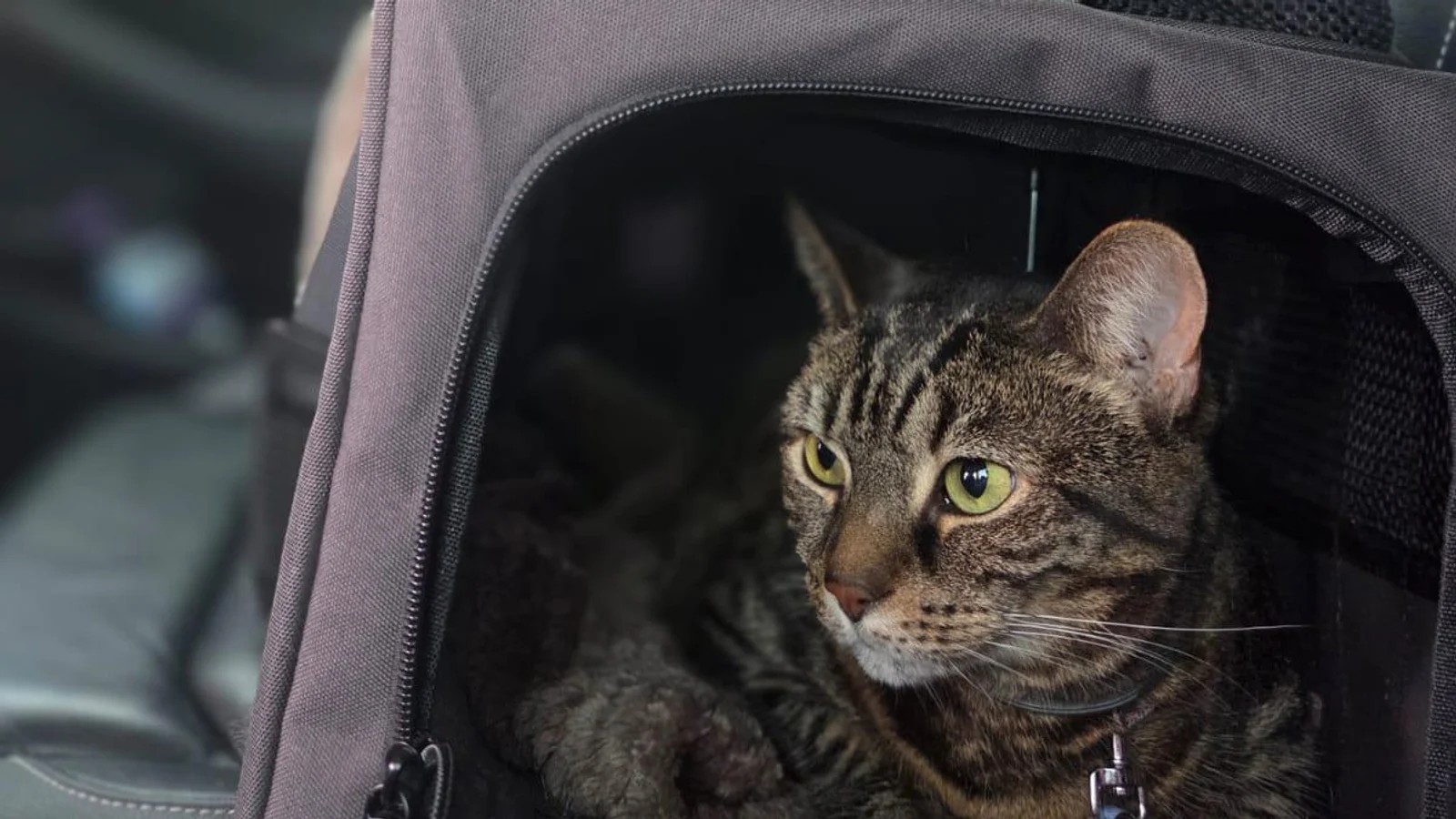
Flying with a dog or cat from Canada to France starts with two separate confirmations: the airline must accept the pet on the exact flight, and the animal must meet the Canadian export and French entry requirements. A passenger ticket alone confirms neither.
If the final destination is Great Britain, include the later France to UK road and border stages in the plan before departure. The pet enters the EU at Paris CDG, then enters Great Britain before the LeShuttle crossing.
Reviewed 31 October 2026. Airline policies and government forms can change, so recheck them for the actual flight.
Confirm the pet on the exact flight
An airline may accept pets on one route and refuse them on another because of aircraft type, temperature limits, breed rules, connection time or local handling arrangements. Ask the carrier to attach the pet to the passenger reservation and send written confirmation.
Questions to ask include:
- Is the pet accepted in the cabin, hold or through cargo on this flight?
- What is the combined pet and carrier weight limit?
- What carrier dimensions and construction are accepted?
- Are there breed, age or temperature restrictions?
- Is the connecting airport suitable for the pet arrangement?
- Where and when must the passenger check in?
- Where is the animal collected at Paris CDG?
- Which original documents will the airline inspect in Canada?
Do not copy the answer from another traveller's Toronto, Montreal or Vancouver booking. Ask about the exact flight number and date.
You can make the first airline conversation clearer by giving the information in one message:
I am travelling from Canada to Paris on flight [number] on [date]. I want to add one [dog or cat], including its carrier, with a combined weight of [weight]. Please confirm whether this animal is accepted on the exact flight, how it will travel, the carrier limit, check-in point and collection process at CDG.
Keep the reply with the reservation. If the flight changes, ask the airline to reconfirm the pet rather than assuming the animal moved automatically with the passenger booking.
Choose the carrier around the airline's written rules
Cabin and hold carriers serve different purposes. The airline controls the dimensions, ventilation, closures and weight limits it will accept. Measure the pet and carrier before paying for a non-refundable booking.
The animal should be able to use the carrier safely and should be accustomed to it before travel. Ask the veterinarian about the pet's fitness to fly and any medical concern. EuroPaw does not advise sedation or other medication. That decision belongs with the treating veterinarian and the airline's current policy.
Keep the carrier dimensions for the road booking as well. EuroPaw needs the true passenger, luggage and carrier load to assign suitable space.
Start the CFIA process early
The Canadian Food Inspection Agency recommends contacting a veterinarian as soon as the travel details are known. The process can include the destination certificate, rabies and microchip evidence, supporting declarations and CFIA endorsement.
For a pet entering France, use the current CFIA EU non-commercial movement page. The certificate must match the pet, owner, route and dates.
CFIA endorsement cannot be completed after the animal has left Canada. Ask the local CFIA office about appointment lead time and which originals it needs.
Prepare for the French arrival check
French Customs states that dogs, cats and ferrets arriving from outside the EU must meet the EU animal health conditions. For a typical Canadian non-commercial journey, the file includes the accepted microchip, rabies vaccination, EU animal health certificate, non-commercial declaration and supporting records.
Canada is listed by French Customs among the countries that do not normally require the rabies antibody titration test for a qualifying movement. This does not remove the certificate or vaccination rules.
Keep the document folder in hand luggage. At the EU entry point, the competent authority can check both the documents and the pet's identity.
Plan CDG collection around the pet release method
A pet accepted in the cabin can follow a different arrival path from an animal handled in the hold or as cargo. Ask the airline where the animal will be released and what formalities happen before you can leave the airport.
Do not book the road pickup for the scheduled landing minute. Allow for immigration, baggage, pet collection and official checks. If the animal is released through a specialist facility, use that address and process when arranging the driver meeting.
Send EuroPaw the flight number, arrival time, terminal, pet booking method, carrier size, luggage and UK destination. We can then plan the private road section subject to availability.
If Great Britain is the final destination
The French arrival is only the first border. Before leaving Canada, prepare the Great Britain entry using the CFIA Great Britain guidance and the GOV.UK document checker.
Most dogs also need tapeworm treatment recorded 24 to 120 hours before entry into Great Britain. Cats and ferrets do not have this dog-specific treatment.
The full paperwork is explained in the Canada to UK pet travel documents guide.
From Paris CDG to the UK by road
After the French release, EuroPaw can collect the passenger and pet from CDG and travel towards Calais. GOV.UK includes the Calais Coquelles to Folkestone Cheriton crossing in its list of approved pet routes. LeShuttle states that pets remain with passengers in the vehicle during the Channel crossing.
After Folkestone, the same private vehicle can continue to London or another agreed address. EuroPaw does not arrange the Canadian flight, issue certificates or clear the pet through French Customs.
Read the full Canada to UK via Paris CDG itinerary.
What should be in your hand luggage on airport day?
Keep these items within reach:
- passenger and confirmed pet booking;
- original EU animal health certificate and declaration;
- original Great Britain document for an onward UK journey;
- rabies and microchip records;
- dog tapeworm record where required;
- owner authorisation if someone else accompanies the pet;
- airline release instructions;
- EuroPaw collection contact and final destination.
Digital scans are useful backups but do not assume they replace required originals.
Frequently asked questions
Can my dog or cat fly in the cabin from Canada to Paris?
It depends on the airline, flight, aircraft, pet, combined carrier weight and current policy. Ask the airline to confirm the animal on the exact reservation before making the road plan.
Does EuroPaw sell the flight ticket?
No. The passenger books the flight and pet carriage with the airline or a chosen flight specialist. EuroPaw provides the private road section after the French arrival process.
Do I need CFIA endorsement?
Follow the current CFIA instructions for the destination certificate. Where endorsement is required, it must be completed before the pet leaves Canada.
Is a Canadian rabies certificate enough for France?
No. Rabies evidence is part of the file, but a non-commercial arrival from Canada also requires the correct EU animal health certificate and declaration, along with the other applicable conditions.
How soon should the driver meet me at CDG?
There is no universal release time. The airline's pet arrangement, immigration, baggage and official checks affect collection. Plan the meeting around the confirmed release method rather than touchdown alone.
Can EuroPaw take us directly to London?
Yes, subject to availability, correct documents and a confirmed route plan. The private vehicle can travel from CDG through LeShuttle and continue from Folkestone to the agreed London address.
Check the handover before fixing the itinerary
Send the proposed flight, pet, carrier, passenger, luggage and UK destination details through the EuroPaw contact page. We will check whether the private road section can be planned around the airline's stated arrival and release process.