
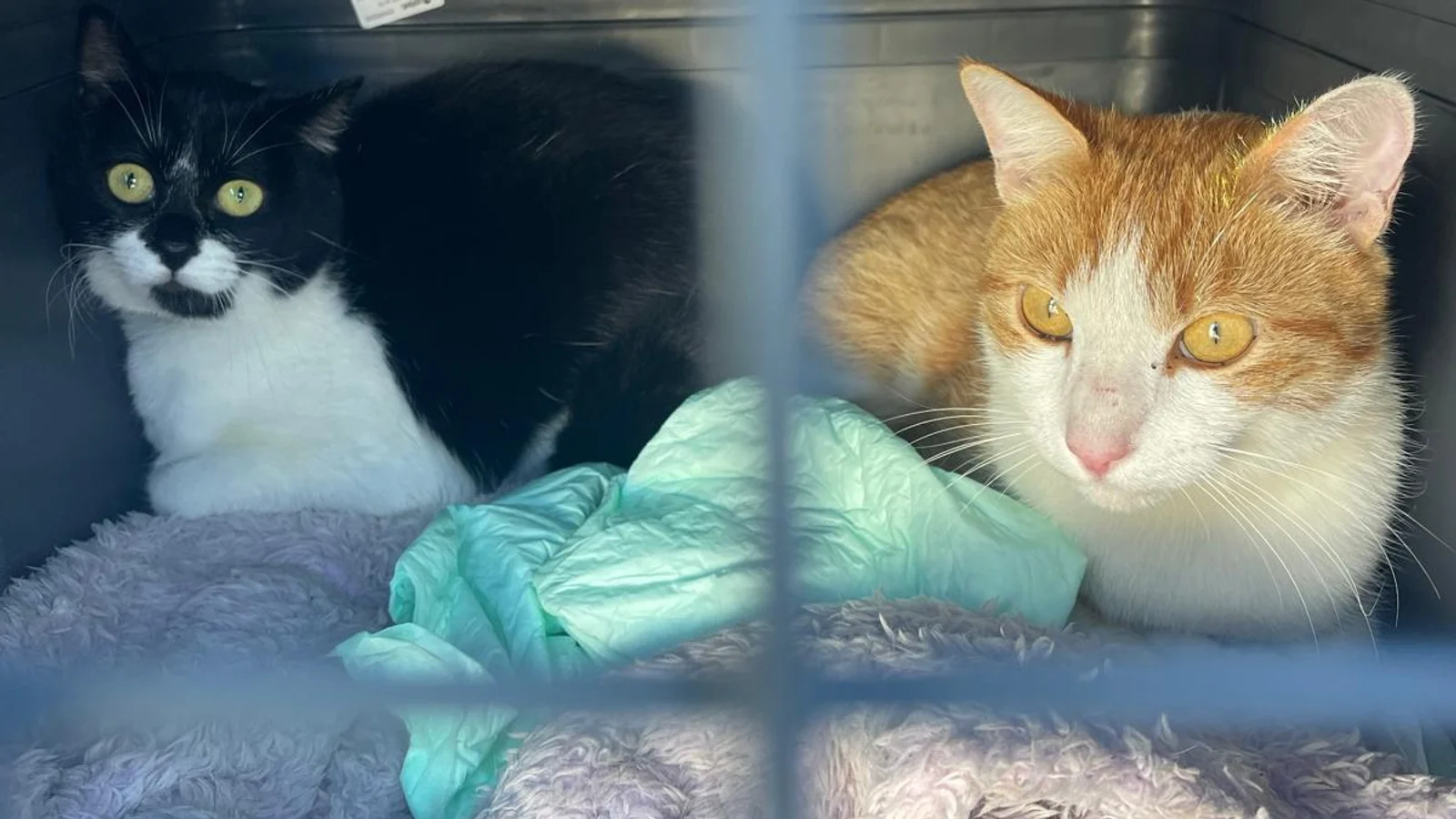
A pet travelling from Canada to Great Britain via Paris enters two legal areas. France applies EU rules at the first arrival. Great Britain applies its own pet travel rules before the Channel crossing. Plan the documents as one itinerary, but do not assume that one certificate automatically covers both entries.
This guide covers a typical non-commercial journey with no more than five dogs, cats or ferrets. Commercial movements, unaccompanied animals, a transfer of ownership or more than five pets can follow different rules.
Reviewed 31 October 2026. Forms and endorsement procedures can change. Use the current CFIA, French, EU and GOV.UK pages when your veterinarian prepares the documents.
Which authority covers each part?
| Authority | Role in this itinerary |
|---|---|
| Canadian Food Inspection Agency | Publishes the Canadian export process and endorses certificates where required |
| Veterinarian in Canada | Examines the pet, records identification and vaccination details, and completes the correct forms |
| French and EU authorities | Set and check the conditions for the pet's first entry into France |
| GOV.UK and British authorities | Set and check the conditions for the later entry into England, Scotland or Wales |
| Airline and LeShuttle | Apply their own carriage and check-in rules in addition to government requirements |
This split matters. An airline can accept a pet for carriage while a certificate is still incomplete, and a certificate prepared for France is not automatically the document required for Great Britain.
Start with the complete itinerary
Give the veterinarian the entire route before any form is completed:
- Canadian departure airport and any connection;
- first EU entry point, such as Paris CDG;
- expected date of arrival in France;
- planned Calais to Folkestone crossing;
- expected date and time of entry into Great Britain;
- final UK destination;
- whether the owner or an authorised person accompanies the pet.
The route determines which certificate models, declarations, treatments and timing windows apply. A form prepared only for a direct Canada to UK flight may not be enough for arrival in France first.
Canadian preparation and CFIA endorsement
The Canadian Food Inspection Agency advises travellers to contact a veterinarian as soon as the itinerary is known. Depending on the destination, preparation can include a health certificate, vaccination review, testing or treatment.
For EU travel, use the current CFIA non-commercial EU export page. For Great Britain, use the CFIA Great Britain page.
CFIA endorsement must be completed before the animal leaves Canada when the export certificate requires it. Do not leave certification until the airport day. Ask the veterinarian and local CFIA office how appointments, original signatures and supporting records are handled in your area.
CFIA introduced updated EU certificate models in 2026. Use the current form linked by CFIA when the file is prepared rather than a certificate saved from an earlier journey.
Core identity and rabies records
For the standard dog, cat or ferret route, preparation normally includes:
- an accepted microchip or qualifying older tattoo;
- rabies vaccination given after the microchip was fitted or read;
- the waiting period after a primary rabies vaccination;
- proof of continuous vaccination where a booster is relied upon;
- the original certificate and supporting vaccination record.
Check every microchip number character by character across the certificate, vaccination record and scanner reading. A clerical mismatch can cause a serious problem at the border.
Canada is on the French list of countries from which a rabies antibody titration test is not normally required for a qualifying non-commercial movement. That exemption does not remove the identification, vaccination or certificate requirements. Transit history can change the position.
The EU animal health certificate for France
Your Europe states that a pet arriving from a non-EU country needs the EU animal health certificate issued by an official state veterinarian no more than 10 days before arrival in the EU. The package also includes a written non-commercial declaration.
The certificate supports the French entry stage and, within its conditions, later movement inside the EU. It is not an EU pet passport. Canadian residents should not plan on receiving an EU passport simply because they land at CDG.
At the French entry point, the competent authority may inspect the document and the animal's identity. Keep the original certificate and supporting records with you, not in checked baggage.
Read the French Customs guidance before departure.
The Great Britain pet travel document
GOV.UK lists the documents accepted for pets entering England, Scotland and Wales. Canada is a Part 2 listed country for this purpose, and CFIA publishes the Great Britain pet health certificate process.
For a Canada to France to Great Britain itinerary, ask the veterinarian and CFIA to confirm the Great Britain document required for the later UK entry. Do not treat the Canadian EU certificate as an automatic substitute. The route should be written and checked as a two-entry journey.
The official GOV.UK document checker and the CFIA Great Britain page are the sources to use, not an old template or a forum download.
Dog tapeworm treatment
Most dogs entering Great Britain from France need treatment against Echinococcus multilocularis. A veterinarian must administer an approved product and record the product, manufacturer, date, time, stamp and signature in the accepted travel document.
The treatment must be given at least 24 hours and no more than 120 hours before entry into Great Britain. The expected Channel crossing time matters. If the flight or French stay changes, recheck the window.
Cats and ferrets do not need this dog-specific treatment. Read the current GOV.UK tapeworm guidance.
Owner, authorised person and five-day rule
For a non-commercial EU movement, the pet must be accompanied by the owner. If the owner cannot accompany the animal, an authorised person can do so with written authorisation, provided the owner's journey remains within five days of the pet's journey.
Tell the veterinarian if the pet will travel with a spouse, friend or other authorised person rather than the named owner. Do not assume a simple email is enough. The official declaration and timing need to match the arrangement. CFIA states that the former option for an unaccompanied pet to qualify as a non-commercial movement has ended.
EuroPaw is a passenger road transport service. The owner or accompanying person travels in the vehicle with the pet. We do not offer an unaccompanied animal shipping service.
Paper folder for the journey
Keep the following together and accessible:
- original EU animal health certificate and declaration;
- original Great Britain pet health certificate or other accepted GB document;
- rabies vaccination evidence;
- microchip record;
- dog tapeworm treatment entry where required;
- owner authorisation where relevant;
- passenger ticket and confirmed pet booking;
- French entry and pet release instructions;
- EuroPaw collection and LeShuttle details.
Carry digital scans as backups. Do not rely on a phone copy where an original endorsed certificate is required.
Check the details before leaving Canada
Ask the veterinarian to review:
- spelling of the owner name;
- microchip number and date of implantation or reading;
- rabies vaccine product, date and validity;
- certificate issue and endorsement dates;
- French entry date;
- Great Britain entry date;
- dog tapeworm product, date and exact time;
- authorised-person details, if used;
- signatures, stamps and blank fields.
The best time to find an error is before CFIA endorsement and before the flight.
Frequently asked questions
Do I need both EU and Great Britain documents?
Plan for two border systems. The pet enters the EU in France and later enters Great Britain. Ask the veterinarian and CFIA to confirm the current certificates for the complete route rather than assuming one form covers both stages.
Does CFIA endorse the documents?
CFIA provides the Canadian export process and endorses certificates where required. Follow the instructions for the current destination and arrange the endorsement before the pet leaves Canada.
Does a Canadian pet need a rabies blood test for France?
Canada is on the French list for which a rabies antibody titration test is not normally required for a qualifying non-commercial movement. The pet still needs the required microchip, rabies vaccination, certificate and supporting documents. Transit can affect the answer.
Can I get an EU pet passport at Paris CDG?
Do not plan on obtaining one on arrival. A Canadian pet normally enters on the applicable EU animal health certificate. EU pet passports are intended for eligible residents and are not airport arrival documents.
When should my dog receive tapeworm treatment?
The official window is 24 to 120 hours before entry into Great Britain. Plan against the expected Calais to Folkestone crossing, not simply the Canadian flight departure.
Does EuroPaw check and approve my paperwork?
EuroPaw can ask for journey information needed for the road plan, but it does not issue or legally approve veterinary documents. The traveller, veterinarian, CFIA and border authorities remain responsible for the formal requirements.
Turn the paperwork into a workable itinerary
Once the veterinarian and CFIA have mapped both border stages, read the Canada to UK via Paris CDG guide. Then send the confirmed flight, pet, luggage and UK destination details through our contact page so we can assess the road section.