
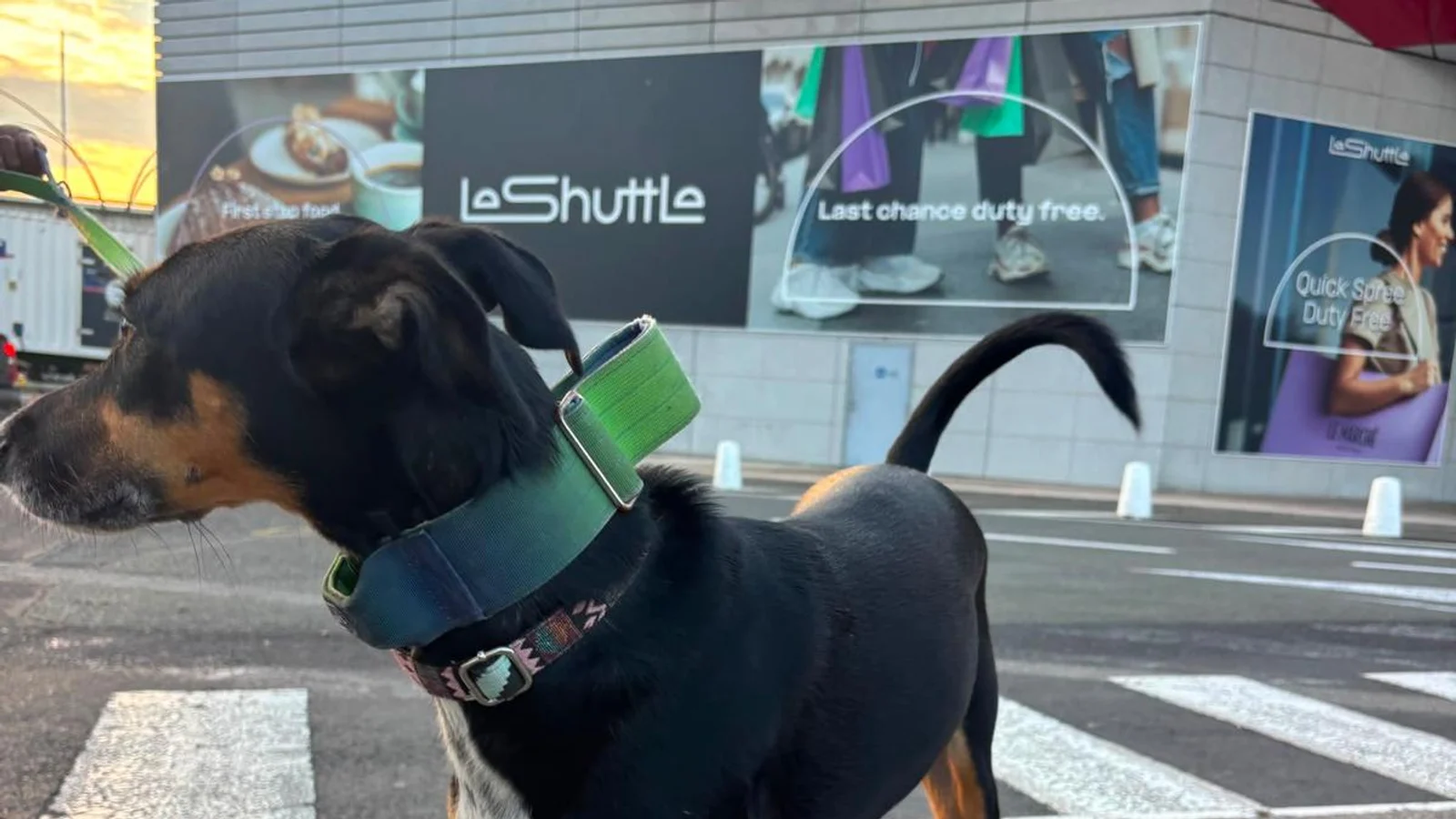
Flying from Canada to Paris Charles de Gaulle, then continuing by private vehicle through Calais and LeShuttle, is one way to reach Great Britain with a dog or cat. It can suit travellers whose airline confirms a suitable pet arrangement to France and who want to remain with their pet during the road section to the UK.
This itinerary crosses two borders. Your pet first enters the European Union in France. It then enters Great Britain before the LeShuttle crossing from Calais Coquelles to Folkestone Cheriton. Prepare both entries before leaving Canada.
Reviewed 31 October 2026. Check the Canadian Food Inspection Agency, French Customs, GOV.UK and your airline again before travel.
The route at a glance
| Stage | What happens | Who handles it |
|---|---|---|
| Canada | The airline accepts the pet and the Canadian documents are completed | Traveller, airline, veterinarian and CFIA |
| Paris CDG | Passenger entry, luggage, pet release and French pet checks are completed | Traveller, airline handlers and French authorities |
| CDG to Calais | The passenger and pet travel privately towards the Channel | EuroPaw Travel |
| Calais to Folkestone | Great Britain pet documents are checked before the LeShuttle crossing | Traveller, carrier and border authorities |
| Folkestone to destination | The same private vehicle continues to the confirmed UK address | EuroPaw Travel |
Our part begins after the passenger and pet are legally released in France. We do not book the transatlantic flight or issue veterinary certificates.
Why some Canadian travellers use Paris
GOV.UK states that pets arriving by plane into Great Britain normally travel as cargo unless they are recognised assistance animals or use an eligible private flight. Some travellers therefore consider a confirmed pet arrangement to France, followed by a road crossing.
The Paris option has practical advantages for the right itinerary:
- the airline may offer a pet arrangement to France that suits the animal and carrier;
- the passenger can reunite with the pet after the French arrival process;
- the passenger and pet stay together in the private vehicle on the way to the UK;
- LeShuttle carries the vehicle between Calais and Folkestone, with the pet remaining inside the vehicle;
- the same vehicle can continue to London or another confirmed UK destination.
These are route features, not a guarantee that Paris is best for every animal. A direct cargo journey to a UK airport may involve less total ground travel. Compare the exact airline rules, documents, animal welfare needs, cost and final destination before choosing.
Confirm the flight before arranging the road transfer
Do not assume that a passenger ticket includes the pet. Ask the airline to confirm the animal on the exact flight and request written details about:
- whether the pet travels in the cabin, hold or under a cargo arrangement;
- species, breed, weight and carrier restrictions;
- the approved carrier dimensions and construction;
- the airport check-in location and required arrival time;
- where the animal will be released at CDG;
- seasonal, temperature or aircraft restrictions;
- the documents the airline will inspect in Canada.
Airline policies can change by route and aircraft. Advice for one Montreal or Toronto flight may not apply to another departure or connection.
Prepare for entry into France
For a typical non-commercial movement of up to five dogs, cats or ferrets, the pet must meet the current EU and French requirements. These normally cover identification by an accepted microchip, valid rabies vaccination, the correct EU animal health certificate, the non-commercial declaration and original supporting records.
The Canadian Food Inspection Agency guidance for travel to the EU explains the Canadian process. French Customs explains what officers may check when the pet enters France.
Canada is included on the French list of countries for which a rabies antibody titration test is not normally required for this type of movement. That does not remove the microchip, vaccination, certificate or entry-check requirements. Transit through another country and the pet's history can change the assessment.
Prepare separately for Great Britain
The French entry document does not automatically become a British pet travel document. GOV.UK publishes the documents accepted for entry into England, Scotland and Wales, while CFIA provides a Canada-specific Great Britain export page.
Ask your veterinarian and CFIA about the complete Canada to France to Great Britain itinerary. The safest planning assumption is that both border stages must be documented correctly before departure. Carry the original records in hand luggage and keep them accessible during the road journey.
Read the detailed Canada to UK pet travel documents guide before booking.
Dog tapeworm treatment must match the UK arrival
Most dogs entering Great Britain from France need a veterinarian to administer and record an approved tapeworm treatment. The official window is no less than 24 hours and no more than 120 hours before the expected UK entry time.
Work backwards from the planned arrival in Great Britain, not from the flight departure in Canada. A late flight, delayed pet release or changed crossing can affect the window. Cats and ferrets do not have this dog-specific requirement.
Use the EuroPaw tapeworm treatment guide together with the current GOV.UK instructions.
What happens after landing at CDG
Pet release is not always the same as ordinary baggage collection. The process depends on how the airline transported the animal. Allow enough time for immigration, luggage, pet collection and any required document or identity checks.
For a reliable meeting plan, send EuroPaw:
- the airline and flight number;
- scheduled arrival date and time;
- terminal, if confirmed;
- how the airline has booked the pet;
- species, weight and carrier dimensions;
- passenger and luggage count;
- the final UK address and postcode.
Do not set the pickup time as if the passenger were travelling with cabin baggage only. EuroPaw will use the available arrival information to agree a meeting plan, subject to driver availability.
CDG to Folkestone or CDG to London
Folkestone is the first UK town after the LeShuttle terminal at Cheriton. A CDG to Folkestone booking is useful when the traveller is meeting someone in Kent or arranging a separate onward journey.
For London or another UK destination, the private vehicle can continue after the crossing. This avoids a second transfer with the pet and luggage. Use the CDG to Folkestone pet transport page or the CDG to London pet taxi page to compare the road services.
EuroPaw does not publish one guaranteed duration for every Canadian arrival. Flight release, traffic, border checks, crossing availability, rest stops and the final postcode all affect the schedule.
Keep these documents accessible
Use one hand-carried folder for the original pet documents, rabies record, microchip evidence, dog tapeworm entry where applicable, owner authorisation, flight booking and EuroPaw collection details.
Do not place the originals in checked luggage. A digital copy is useful as a backup but may not replace the original document required at a check.
Frequently asked questions
Can EuroPaw collect me and my pet from Paris CDG?
We can collect from CDG when a driver is available and the handover point has been agreed. The meeting takes place only after the passenger and pet finish the French arrival and release process.
Does EuroPaw book the flight from Canada?
No. The traveller books and confirms the flight and pet carriage directly with the airline or a chosen flight specialist. EuroPaw provides the private road section from France to the UK.
Can my pet travel on Eurostar from Paris to London?
Eurostar states that ordinary pets are not accepted on services to and from London. Guide and assistance animals have a separate approval process. EuroPaw uses the approved LeShuttle vehicle route from Calais Coquelles to Folkestone Cheriton.
Can I travel from Canada through Paris with a cat?
Yes, if the airline confirms the cat and the animal meets the Canadian, EU, French and Great Britain requirements. Cats do not need the dog-specific tapeworm treatment, but they still need the correct identification, rabies and travel documents.
Can the journey finish in Folkestone instead of London?
Yes, subject to availability and a confirmed drop-off point. Folkestone is close to the LeShuttle terminal and can work well when family, friends or another agreed service will take over in Kent.
What if the flight is delayed?
Tell EuroPaw as soon as the airline changes the arrival by a meaningful amount. Driver hours and the LeShuttle booking may need to move. For a dog, recheck that the tapeworm treatment will remain inside the permitted window.
Request a Canada arrival transfer
Send us the flight number, pet details, carrier size, luggage and final postcode through the EuroPaw contact page. We will check the CDG or Paris to UK road section and tell you what can be planned around that arrival.